
A toilet wax ring is the most dependable seal designed to prevent leaks and sewer odors by creating a watertight and airtight connection between the toilet base and the floor flange. Choosing the correct wax ring tailored for your toilet and floor flange setup is essential for a secure, leak-free installation trusted by both homeowners and professionals.
What is a Wax Ring and Why Does It Matter?
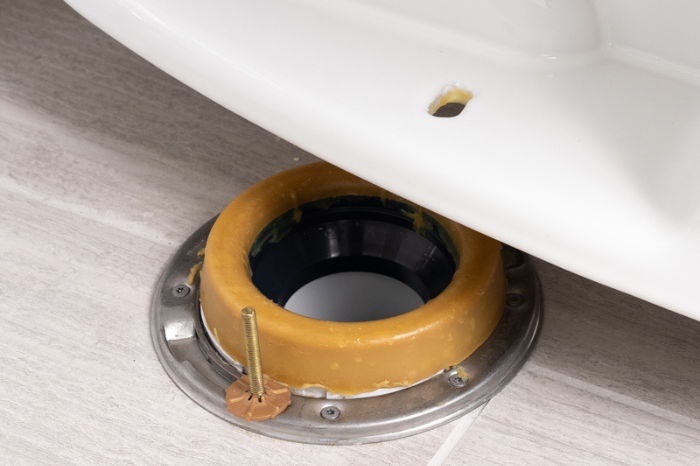
A toilet wax ring is a simple but crucial seal that fits between the toilet outlet and the floor flange. It acts as a barrier to stop water leaks and prevent sewer gases from escaping into your bathroom. Wax rings are made from pure petroleum wax that is soft and moldable, allowing it to fill gaps from uneven surfaces during installation.
Oatey offers a variety of wax rings to meet your bathroom needs. The most popular is the Hercules Johni-Ring®, a 100%-pure, high-grade petroleum wax that is soft and malleable enough to conform to rough and uneven surfaces. It features a clean release tray for no-mess handling and easy installation.
Explore toilet flange installation best practices to complement a reliable wax ring seal.

How Toilet Wax Rings Work and Prevent Leaks
When the toilet is set onto the flange, the wax ring compresses to fill any gaps. This compression creates a durable, airtight seal that locks in moisture and gas, preventing leaks and odors. Wax rings are single-use and replaceable, ensuring that each installation has a fresh, uncompromised seal.
Key points on Wax Rings:
- Fits between toilet outlet and floor flange.
- Works by compression molding during installation.
- Cannot be reused once compressed.
- Replacing the wax ring is straightforward and requires no special tools.

When To Replace a Toilet Wax Ring
A well-installed wax ring can last for many years, often matching the toilet’s lifespan. Replace the wax ring if you observe:
- Water pooling or leaks around the toilet base.
- A toilet that wobbles or shifts, compromising the seal.
- Persistent sewer or mustard gas-like odors escaping near the toilet.
If you remove your toilet for any reason, always install a new wax ring to protect against leaks.
For comprehensive steps on removal and replacement, see our guide on How to Replace a Toilet Wax Ring.
Types of Toilet Wax Rings and How To Choose the Right One
Wax rings vary by thickness, reinforcement, and whether they contain wax or are wax-free. Selecting the correct type depends on floor flange height, toilet type, and usage conditions.
| Wax Ring Type | Features | Best For |
|---|---|---|
| Standard Wax Ring | Basic, commonly used seal | Level flanges with typical residential installations |
| Extra Thick Wax Ring | Thicker wax body for deeper seal | Low flange height or subfloor flush installations |
| Reinforced Wax Rings | 5x stronger core wax ring | Durable seal for all floor types and high-use toilets |
| Urinal Wax Ring | Fits 2-inch wall urinals | Wall-mounted urinals |
| Wax-Free Seal (rubber or flexible foam) | Flexible, reusable, mess-free; may not seal well on uneven or damaged surfaces, has limited compatibility, and can lose durability over time. | Newer toilets; DIY-friendly but less reliable on uneven surfaces |
For high-traffic areas, reinforced wax rings offer superior durability and leak prevention compared to standard types. Wax-free seals are convenient for DIY but may not reliably seal damaged or uneven flanges.
Learn more in our Wax vs. Non-Wax Toilet Seals comparison.
How to Determine Your Toilet Wax Ring Size
Most standard toilets in the U.S. use either 3" or 4" diameter wax rings. The key is measuring your drainpipe opening after removing the toilet.
- If your flange sits on top of the finished floor, a regular thickness ring works best.
- If the flange is set below floor level or on the subfloor, choose an extra-thick wax ring or use flange spacers to accommodate height differences.
What Makes Wax Rings the Most Dependable Toilet Seals for Preventing Leaks?
Wax rings have stood the test of time as the leading toilet seal solution because they:
- Form a permanent seal that prevents leaks and odors.
- Conform to uneven surfaces where flange imperfections exist.
- Are simple and cost-effective for both new installations and repairs.
High-traffic bathrooms benefit from reinforced wax rings paired with sturdy hold-down hardware like Hercules® Johni-Bolts to maintain a tight seal under constant use.
What Types of Toilet Wax Rings are Available?
Not sure which wax ring you need? Oatey offers a complete line of toilet wax rings and seals to suit any installation:
- Oatey® Standard Wax Bowl Rings: A dependable seal for most toilets, these wax bowl rings are made of 100% pure, high-grade petroleum wax that conforms to rough and uneven surfaces. The ring snugly fits over three inches or four inches of waste line, forming a permanent seal to provide a sanitary, gas- and water-tight seal on most types of toilets.
- Oatey® MaxWax Wax Bowl Rings: These rings are 100% pure petroleum, providing a permanent, sanitary, gas- and water-tight seal on most types of water closets. They are made of 40% more wax than the standard wax ring for applications where the floor flange is even or slightly below finished floor height, eliminating the need for double stacking.
- Oatey Urinal Wax Gaskets: These wax gaskets are designed for use on wall-mounted urinals and fit 2-inch urinal outlets. Made of 100% pure petroleum wax, these gaskets are stainless, waterproof, and impervious to odors and gases.
- Oatey® Reinforced Wax Bowl Rings: These wax bowl rings are a crucial component for repairing a toilet or installing a new one. Made of 100 percent pure, high-grade petroleum wax that conforms to rough and uneven surfaces, the ring snugly fits over 3-inch or 4-inch waste lines, forming a permanent seal to provide a sanitary, gas- and water-tight seal on most types of water closets.
For secure installation, consider pairing your wax ring with Hercules® Johni-Bolts for reliable hold-down hardware.

Published on June 18, 2026
Frequently Asked Questions
-
What is the difference between wax and wax-free toilet seals?
-
Wax seals offer a permanent, traditional watertight seal ideal for uneven floor surfaces. Wax-free options made of rubber or foam provide flexibility and reuse but may be less reliable over time and under high use.
-
-
Can wax rings be stacked to fill gaps?
-
Stacking wax rings is not recommended. Use an extra-thick wax ring or raise the flange height with a spacer kit for better sealing and lasting performance.
-
-
How long does a wax ring typically last?
-
A wax ring installation can last many years—often the life of the toilet—if the toilet remains stable and properly installed.
-
-
What should I do if my toilet leaks despite a new wax ring?
-
Check for proper flange condition and height, ensure the toilet is securely bolted, and consider upgraded reinforced wax rings for durability. Review best practices for toilet flange installation.
Selecting the right toilet wax ring is key to reliable leak prevention in any bathroom installation or repair. For more detailed guidance, visit our complete line of toilet wax rings and seal products.
-